What is The Haven?
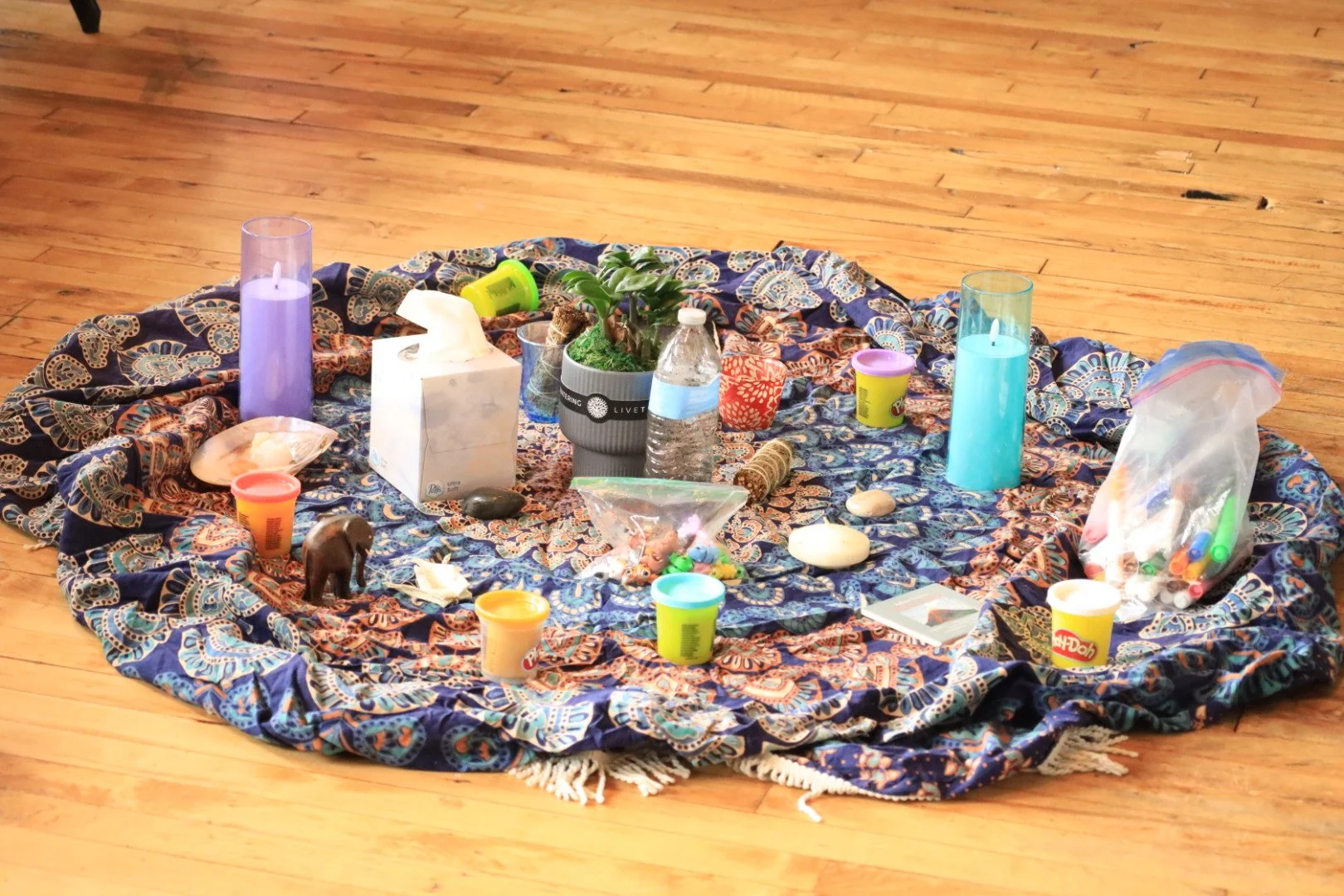
The Haven is a restorative space for healing, connection, and transformation.
Rooted in restorative practice, community care, and the belief that healing is both personal and collective, The Haven creates intentional spaces where people can slow down, reconnect, tell the truth, tend to harm, build community, and imagine what becomes possible when we care for ourselves and one another differently.
Through facilitated dialogue, restorative practices, somatic and rest-based experiences, workshops, trainings, youth development, and cultural and artistic gatherings, The Haven brings together the work of healing and justice—creating spaces that invite us not only to address what has been broken, but to nurture what we want to grow.
At the heart of The Haven is a simple philosophy:
Balancing the Body.
Healing the Heart.
Mending the Mind.
Serenading the Soul.
We believe restoration asks us to tend to the whole person. Sometimes that means navigating conflict and repairing harm. Sometimes it means learning, resting, creating, grieving, laughing, gathering, or simply having a place where we don't have to hold everything alone.
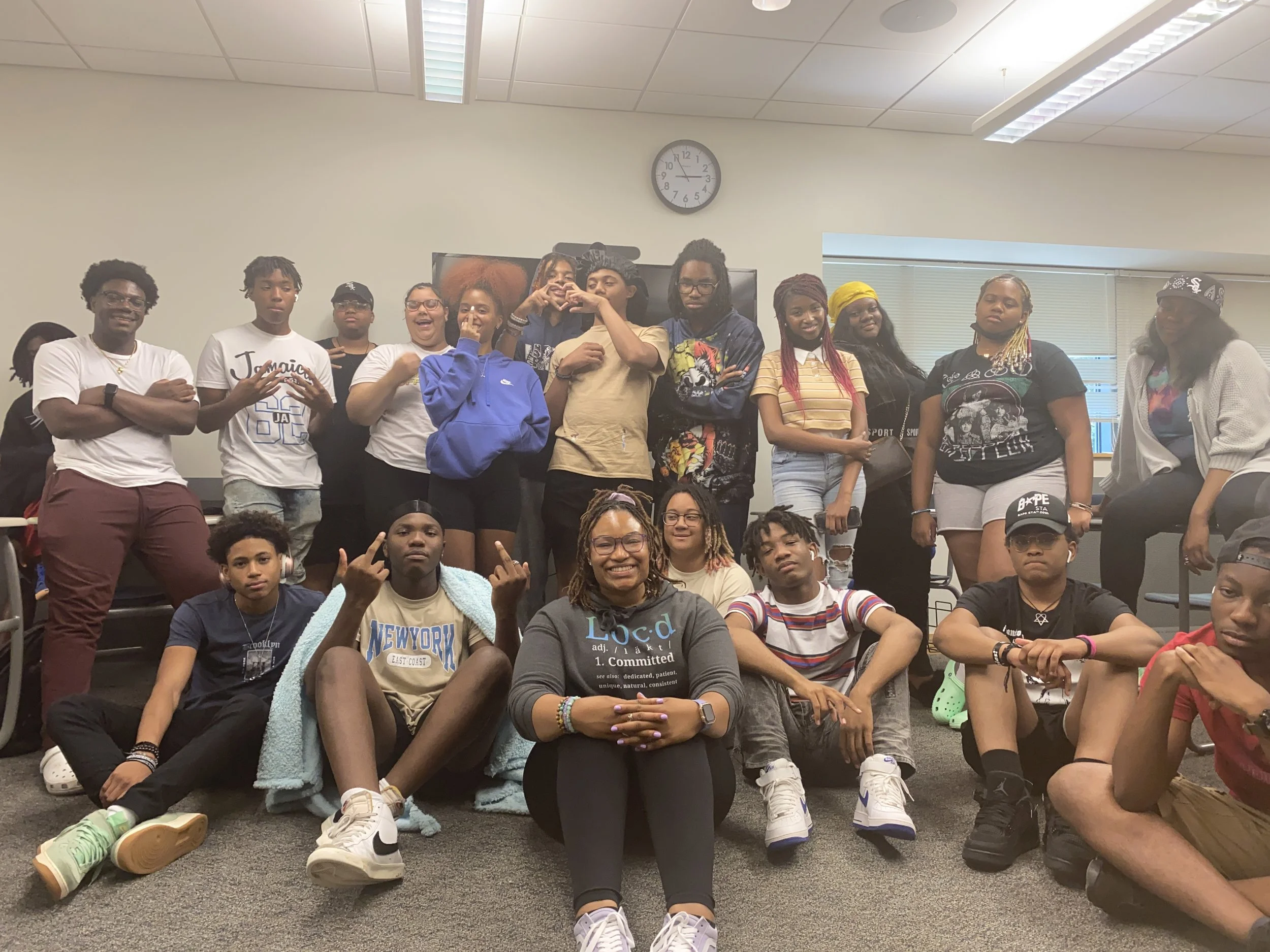
The Haven is the dream and growing body of work of Sydney Butler, a Baltimore-based restorative justice and youth development practitioner, facilitator, and youth advocate and social wellness educator. For more than 12 years, Sydney has worked across K–12 education, DEI, conflict management, and restorative practice throughout the DMV, facilitating workshops, trainings, professional development, and dialogue spaces for schools, nonprofits, youth detention centers, and community organizations.
Her work is grounded in the belief that people and communities possess profound wisdom, and that meaningful transformation becomes possible when we create the conditions to listen deeply, tell the truth, tend to harm, practice accountability, restore relationship and lean into community care.
The Haven is that invitation.
A place to gather.
A place to restore.
A place to learn.
A place to grow.
A place to renew.
A place to return to ourselves—and to one another.

Values
What we find important and honor…
Historical Reverence as Restoration (Sankofa)
We honor those who have come before us and their stories and recognize that there is a special reverence deserved for how they have shaped what is now and what is to come. Sankofa, “go back and fetch”, is what we embody when we revere our ancestors and open ourselves to the knowledge of looking back in order to restore for the future.
Rest as Resistance
Rest is central to healing and healing is central to liberation. We honor rest as a form of resisting the hurried and rushed culture of grinding, hustling, and productivity that produces burnout from white supremacist culture and capitalism. Rest serves as a form of healing, a vehicle to liberation and an act of resistance.
Shared Joy as Medicine
Joy alone is healing, but joy shared together is an antidote for isolation and separateness. Joy is an all encompassing medicine for our beings: our emotional feeling in our hearts, a psychological mental state of happiness amplified and the experience of deep laughter or smiling in our bodies.
Energy as Knowledge
We honor energy as a teacher that has knowledge for us that exists outside of the written word. The energy that exists within us and between us all in the natural realm and the spiritual is a teacher and a guide - it holds knowledge that we have access to.
Collective Wisdom (Ubuntu)
Ubuntu, “I am because we are”, is the spirit in which we exist as interconnected beings. There is wisdom in the collective and we hold that as a high importance over one individual holding all knowledge. We are all teachers and learners at all times and we have the wisdom necessary to solve community problems.
Resonance as Power (Sawubona)
Resonance, the power of finding agreement, feeling seen and being on the same page and sentence, is the power of Sawubona, “I see you [deeply]”. We hold high the significance in moments where “I resonate with that” is abundant.
Mutual Aid (Ujamaa)
We find value in supporting one another through mutual aid and cooperative economics (Ujamaa) instead of reliance on capitalism to meet our needs. We acknowledge that we exist in a capitalist society, and we hold space for that harsh reality while living in alignment with a communal approach to meeting each other’s needs materially or financially.